
Prescription drug abuse is often harder to spot than illicit drug use because it tends to happen quietly. People may keep working and meeting responsibilities, hold a valid prescription, and conceal behavioral changes — making it difficult to recognize when use has become a problem.
Behavioral changes are usually the first indicators: taking more medication than prescribed, running out of prescriptions early, visiting multiple doctors for more medication, becoming defensive about use, and withdrawing from family, friends, or activities. Physical signs can include drowsiness, appetite changes, poor coordination, sleep disturbances, and declining hygiene.
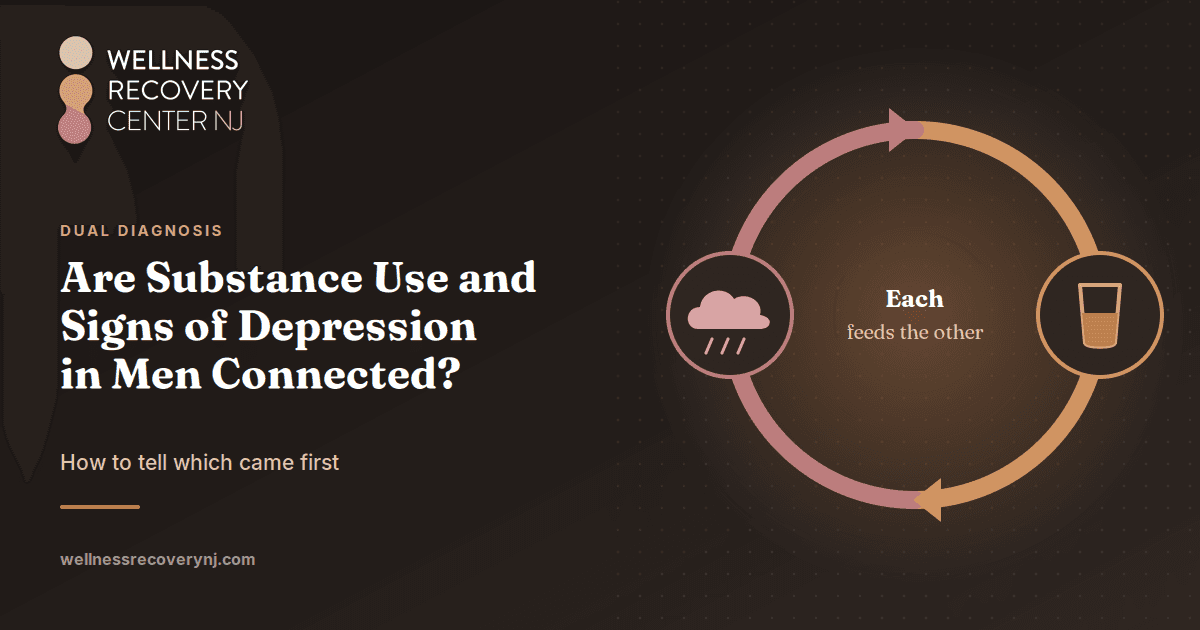
Prescription drug abuse also produces emotional shifts — mood swings, increased anxiety or depression, difficulty concentrating, and emotional numbness. Some people keep using to cope with those very symptoms, reinforcing the cycle. This is often compounded by “high-functioning” abuse, in which someone maintains a career while privately experiencing cravings and growing reliance.
Repeated misuse can progress into physical and psychological dependence, marked by needing higher doses, withdrawal symptoms, and feeling unable to function without the medication. Because prescription drug abuse carries risks of overdose and long-term health complications, earlier intervention makes recovery easier.
Treatment typically involves a structured, supportive approach — individual therapy, group therapy, dual-diagnosis care, and flexible outpatient programs. Recognizing the signs is the first step toward change, and support is available for anyone experiencing these patterns.
Ready to talk to someone?
Confidential, judgment-free, available 24/7.